
City of Inspiration
City
A cultural field tempered by kiln fire.
Translating online brand momentum into an offline exploration guide.
Scroll to explore the city network
Landmarks
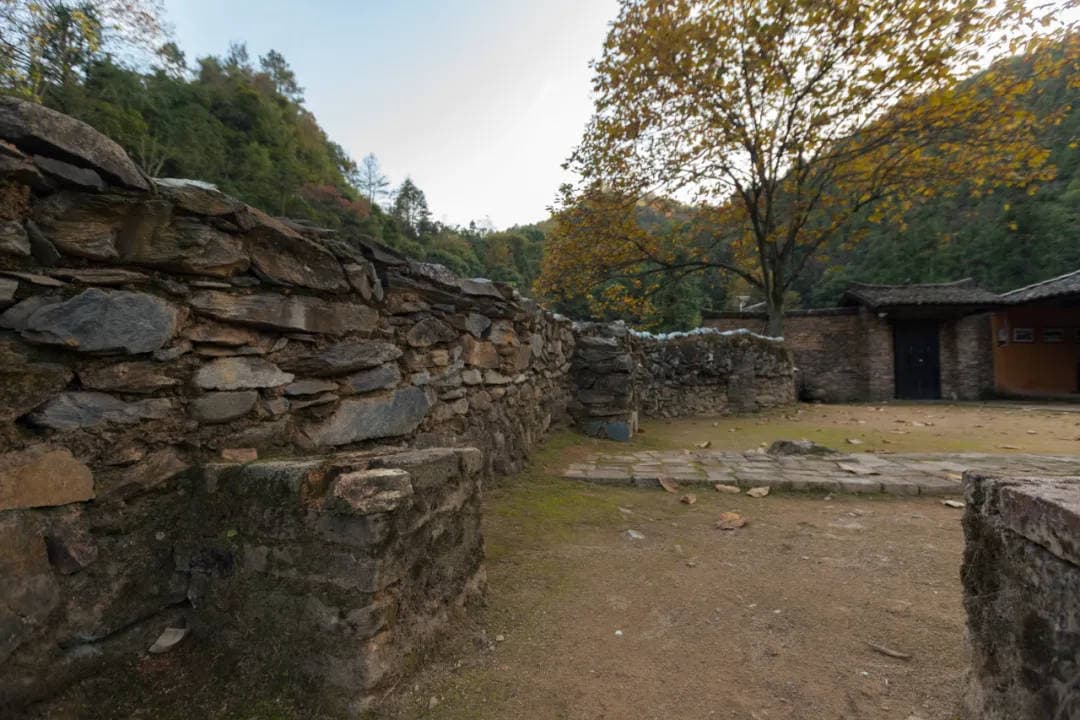
Weishan Ancient Kiln Site
The birthplace of Liling ceramics. The ancient kiln fire once burned here, witnessing the germination and development of early ceramic craftsmanship. The ancient kiln ruins surrounded by mountains seem to tell a thousand-year-old story of porcelain making.
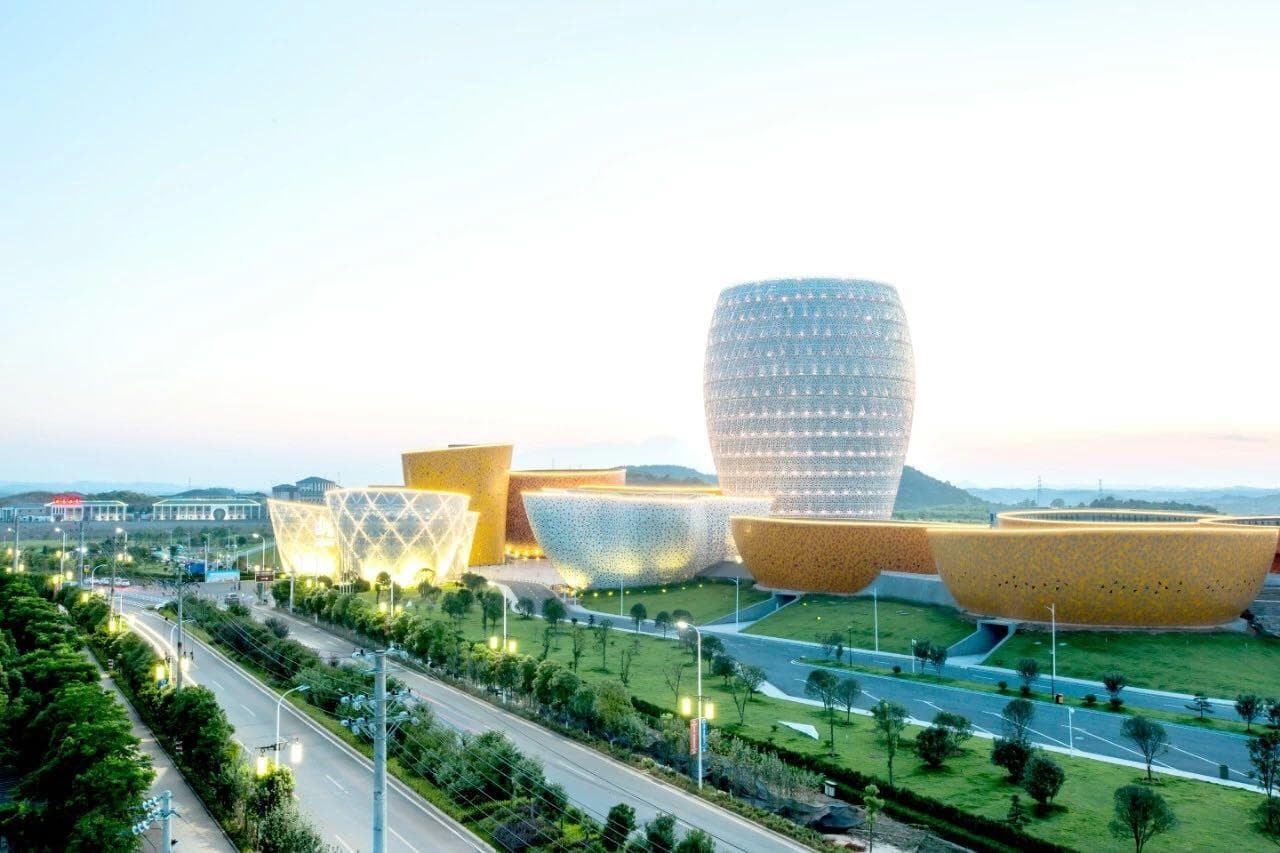
Liling Ceramic Valley
The largest ceramic art architectural complex in China, spanning 650 acres. Inspired by porcelain vessels, this unique complex integrates a ceramic museum, international exhibition center, and underglaze polychrome production base, symbolizing the transformation of Liling's ceramic industry.
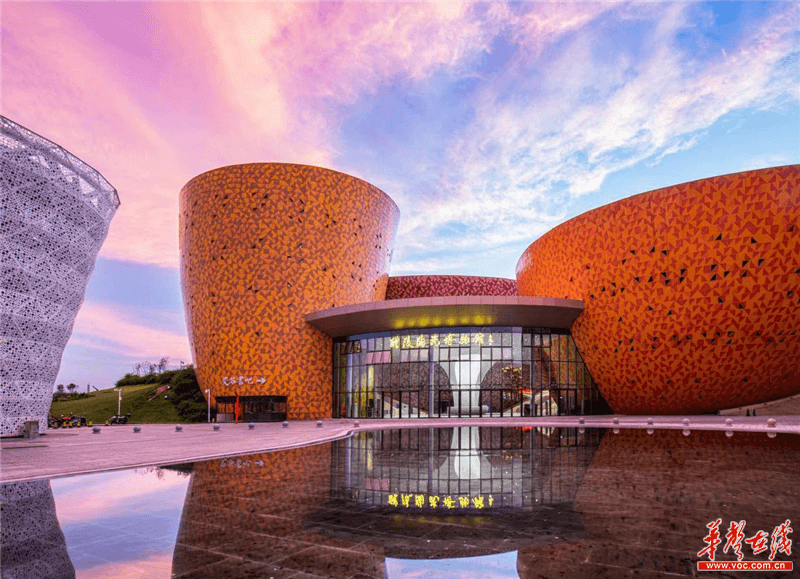
Liling Ceramic Museum
A condensed history of Liling ceramics. With nearly 30,000 exhibits, the museum collects numerous fine ceramics from ancient to modern times, especially the masterpieces of underglaze polychrome porcelain, panoramically demonstrating the evolution and glory of Liling ceramic craftsmanship.
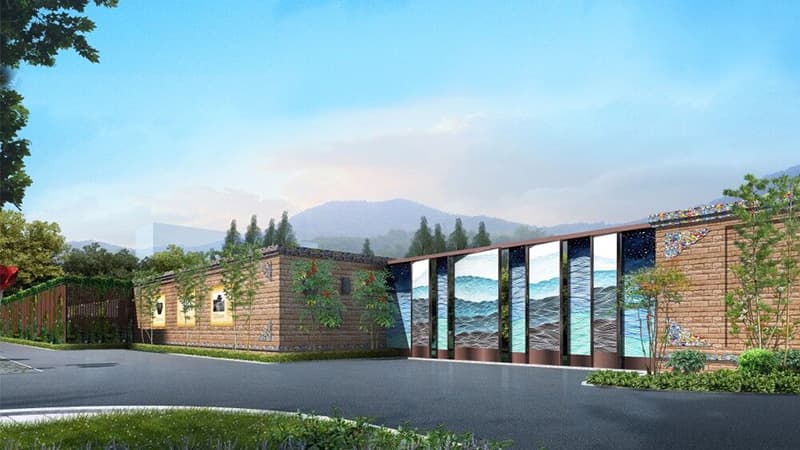
New Century Ceramic Art Museum
A display window for modern ceramic art. It gathers innovative works by contemporary ceramic art masters, perfectly integrating traditional craftsmanship with modern aesthetics, and presenting the infinite possibilities of underglaze polychrome porcelain in the contemporary era.
Taorun Club
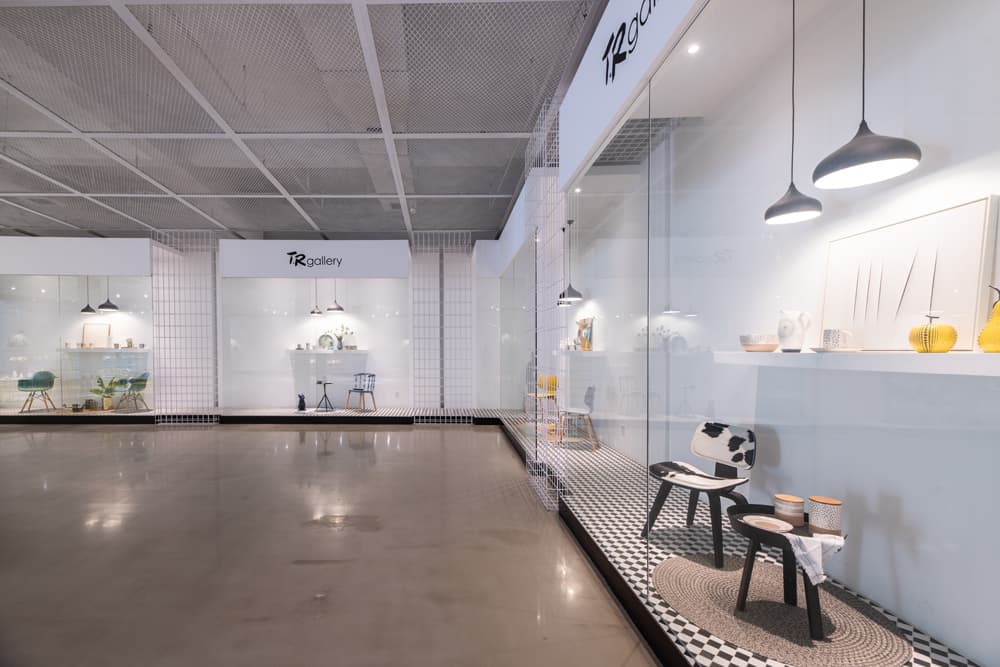
A creative ceramic space inspired by the spiraling ancient dragon kiln, designed in industrial minimalist black-white-grey aesthetics. Combining immersive exhibition halls, ceramic workshops, and creative lifestyle galleries, visitors can witness the entire porcelain-making process up close. The founder's family has been crafting ceramics since 1905, now in its sixth generation.
Liling Ceramic Research Institute
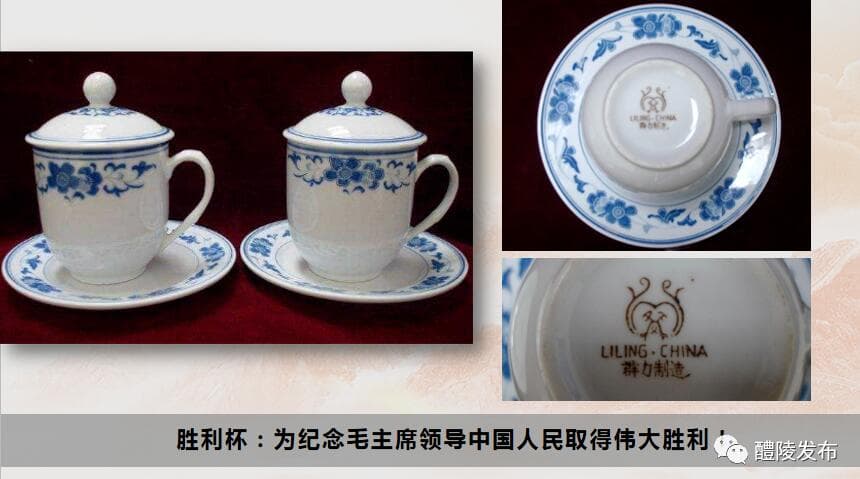
Tracing its origins to the 1905 'Hunan Official Porcelain Academy,' it is hailed as the contemporary imperial kiln and the 'Whampoa Academy' of ceramics. The institute crafted over 1,500 pieces of daily-use and state-gift porcelain for leaders including Mao Zedong and Zhou Enlai, now housing 12,092 treasured pieces with nearly 30 national-level ceramic art masters in residence.
Qunli Porcelain Factory (Red Official Kiln)
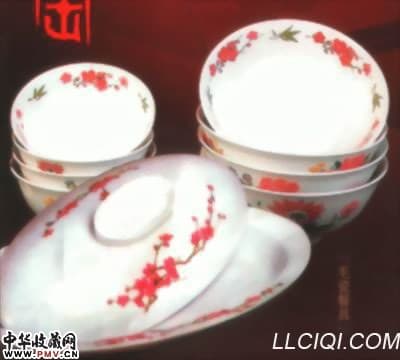
A national key cultural heritage site established in 1958. Renowned for producing 'Mao Porcelain' — the top-secret 1974 'Project 7501' mobilized the factory's finest artisans to fire porcelain of unparalleled craftsmanship using underglaze polychrome techniques for state leaders. Now transformed into a comprehensive cultural park for heritage display and creative industries.
National Porcelain Hall
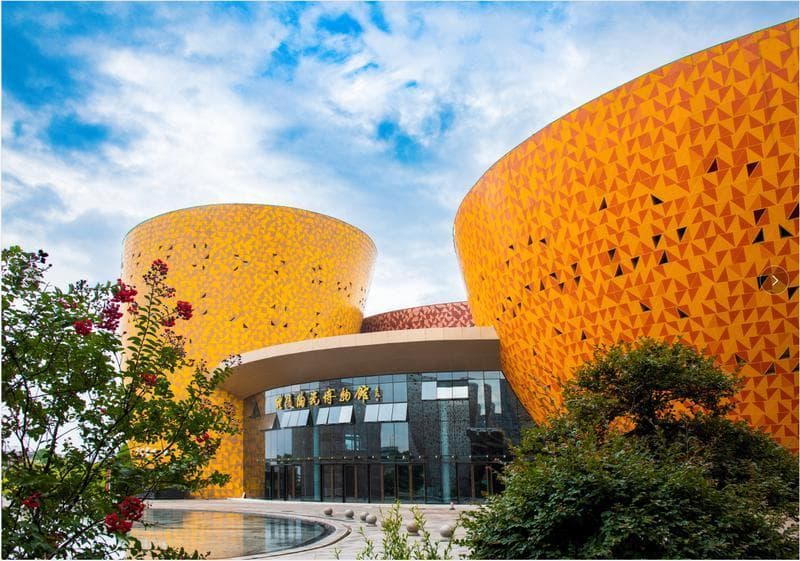
A seven-story, 8,000-square-meter ceramic exhibition and trading center. Showcasing the full range of Liling's daily-use and art ceramics — from state-gift porcelain and state-banquet ware to underglaze polychrome tableware and creative ceramics — it serves as a comprehensive window into Liling's ceramic industry prowess.
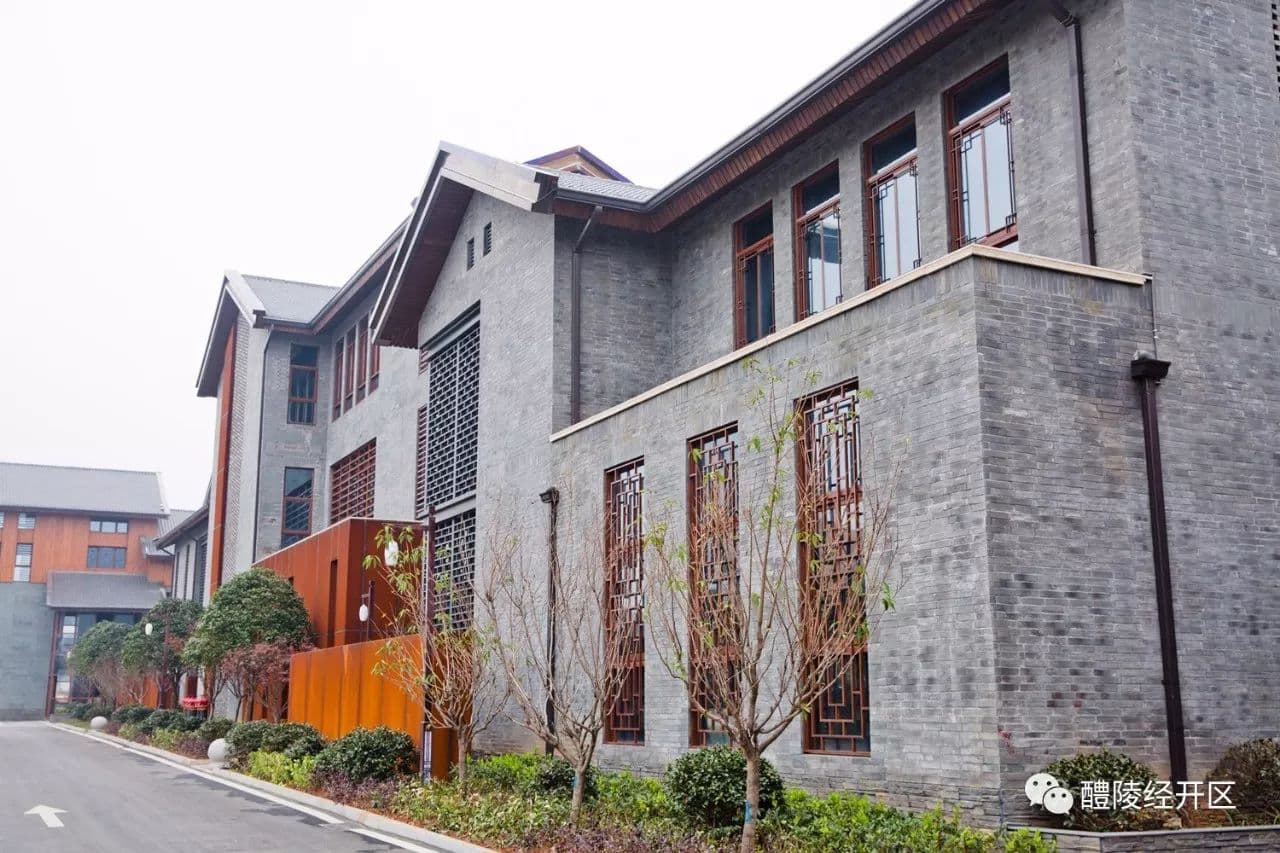
1915 Ceramic Cultural Street
Designed by Tsinghua University's Architecture Institute, this 192-acre ceramic cultural district represents a 580-million-yuan investment. It gathers over 30 intangible heritage projects including underglaze polychrome firing techniques, featuring master studios, colorful workshops, and youth innovation centers across six functional zones, regularly hosting art exhibitions and heritage performances.
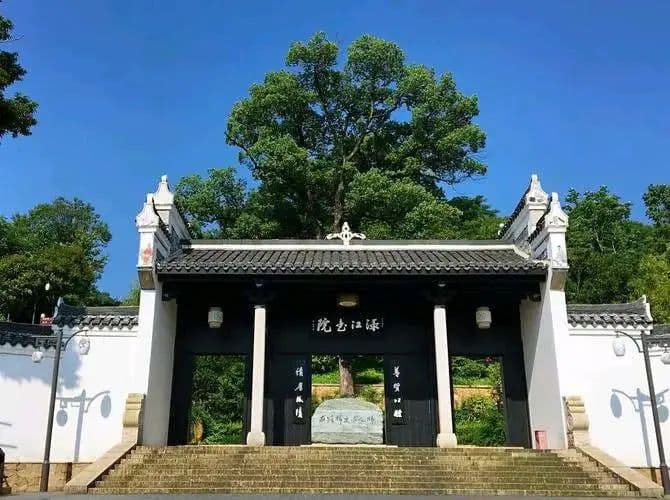
Lujiang Academy
Founded in 1175 during the Southern Song Dynasty, this National AAAA Tourist Attraction and Key Cultural Heritage Site witnessed the historic meeting of Neo-Confucian scholars Zhu Xi and Zhang Shi, igniting the Huxiang school of thought. Wang Yangming and Zuo Zongtang also lectured here. Nestled among mountains facing the Lu River, shaded by a thousand-year-old camphor tree, it stands as the spiritual beacon of Liling's millennium-old cultural legacy.
Eat, Stay, Travel, Play & Porcelain Hunting
Liling Travel Guide
Explore ceramics and ancient sites by day, and savor local stir-fry and river nightscapes by night. A curated, one-stop guide to experiencing the charm of the porcelain capital.
City of Stir-Fry · Local Flavors
Liling's culinary scene is deeply bound with stir-fry. Alongside ceramics and fireworks, stir-fry is celebrated as one of the 'Three Treasures of Liling'.
The ultimate local specialty. Made with fresh pork shoulder, it is spicy, savory, and rich in broth—a must-have first meal in Liling.
A beloved street food for breakfast and late-night snacks. Chewy rice noodles stir-fried with eggs, bean sprouts, and red peppers over high heat.
Perfect for group dining. The grass carp is tender and topped with red peppers and black beans; the mutton is slow-cooked, rich, and flavorful.
Traditional snacks and souvenirs. Luchiao pastry is golden and crispy with a sweet filling; the sauce duck is spicy and savory, perfect for travel snacks.
Where to Eat
Railway Station Area
High density of restaurants right outside the station, highly convenient for arriving or departing travelers.
Pedestrian Street / Old Town
Perfect for strolling and eating. Home to many time-honored brands and authentic street snacks with a lively local vibe.
Riverfront Area (Yijiang Liangan)
Ideal for dinner or late-night snacks. Enjoy local food while taking in the dazzling river nightscapes and cool breeze.